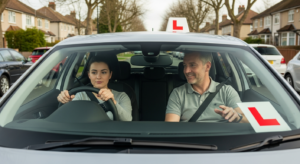
One of the first decisions you will make as a learner driver is whether to learn in a manual or automatic car. Both have advantages—the right choice depends on your circumstances.
Understanding the Difference
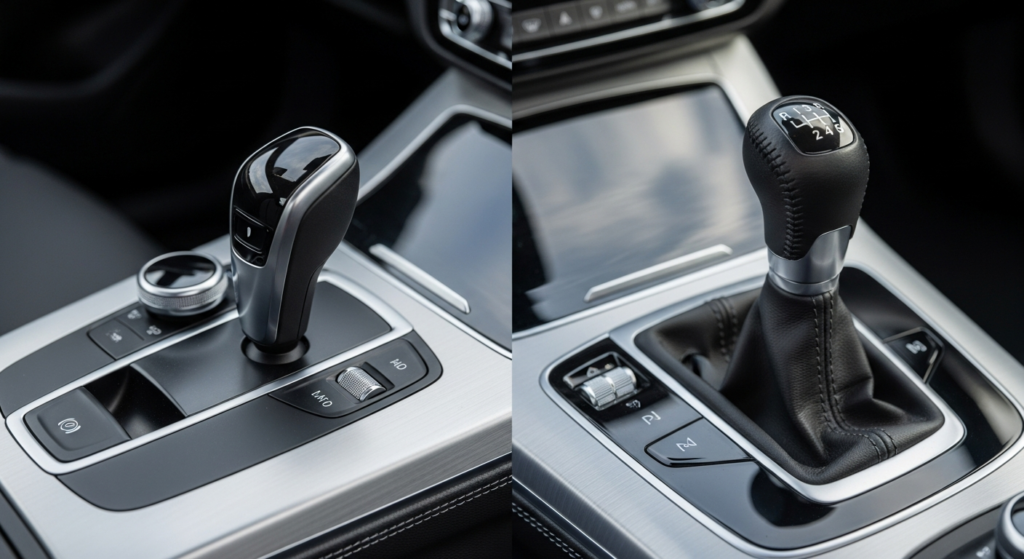
Manual cars have a clutch pedal and gear stick. You control when to change gears. Automatic cars handle gear changes for you—just accelerator and brake.
Advantages of Manual
- Drive any car: A manual licence covers both manual and automatic
- More car choices: Manual cars remain common in the used market
- Often cheaper: Manual cars and lessons can cost slightly less
Advantages of Automatic
- Easier to learn: No clutch control or gear changes
- Fewer lessons needed: Many learners need 20-30% fewer hours
- Less stressful: Ideal for city driving with stop-start traffic
- Future-proof: All electric vehicles are automatic
The Licence Restriction
Key point: passing in an automatic restricts your licence to automatic cars only. Passing in a manual lets you drive both.
However, with electric cars becoming the norm (all automatic), this restriction matters less than it once did.
Find the Right Instructor
My Driving Instructor makes choosing easy:
- ✓ Filter instructors by manual or automatic
- ✓ Compare prices for each type in your area
- ✓ Read reviews from learners who made the same choice
- ✓ Book a trial lesson to see which feels right
Not sure which to choose? Download My Driving Instructor and browse instructors offering both—many learners book a trial in each type before deciding.
Related Reading
- First Driving Lesson: What to Expect
- How Many Driving Lessons Do You Need?
- Automatic Driving Lessons
- Manual Driving Lessons
Key Takeaways
- Research your options and compare different instructors before booking
- Consider your learning style and choose manual or automatic accordingly
- Budget for the full journey including test fees and practice time
- Stay consistent with lessons to retain skills between sessions