Booking your practical driving test should feel like the exciting final step in learning to drive, not a confusing admin task. Yet for many learners, car test booking can be stressful because test slots are limited, rules vary slightly across the UK, and you need to coordinate the date with your instructor, your lessons and your theory test expiry.
The good news is that the process is straightforward once you know what to prepare. This guide explains how car test booking works for UK learners, what information you need, when to book, how to change a test, and how to avoid common mistakes that can cost time and money.
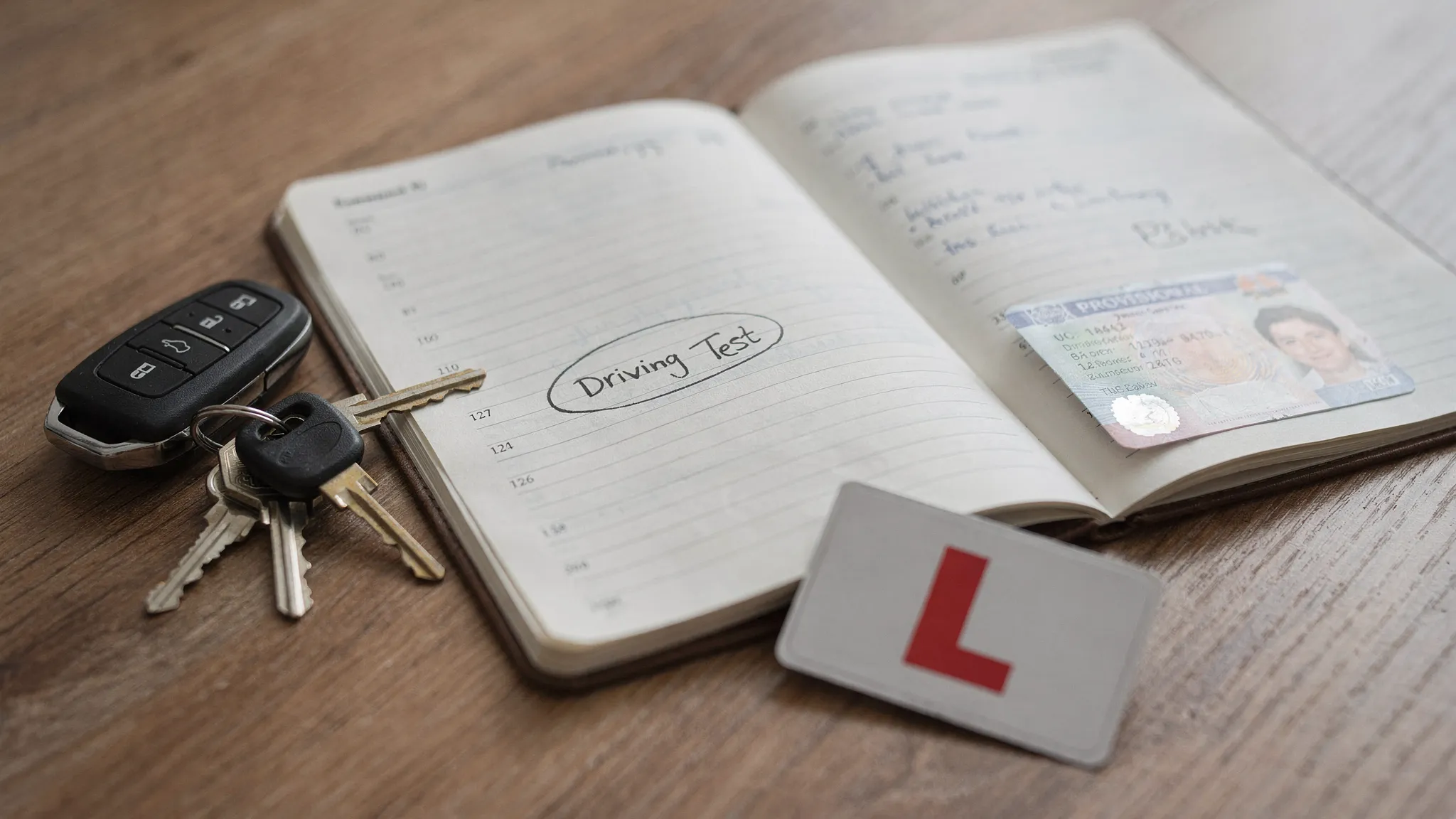
What “car test booking” means in the UK
When learners talk about a car test booking, they usually mean booking the practical car driving test. This is the on-road test where an examiner assesses whether you can drive safely and independently.
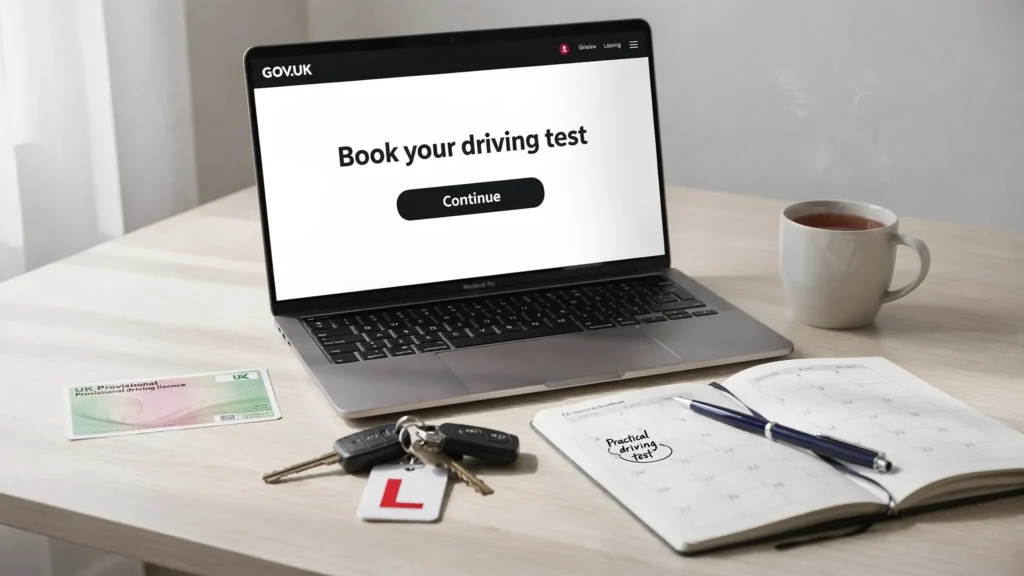
In England, Scotland and Wales, practical car tests are managed by the Driver and Vehicle Standards Agency (DVSA) and booked through the official GOV.UK driving test service. In Northern Ireland, tests are managed separately by the Driver and Vehicle Agency (DVA) and booked through nidirect.
Before you can book the practical car test, you normally need to have passed your theory test. Your theory pass certificate lasts for 2 years, so your practical test date must fall before it expires.
Before you book: make sure you are ready
The biggest booking mistake is choosing a test date before you have a realistic plan to be test-ready. Because waiting times can be long in some areas, you do not always need to be perfect before booking, but you should be close enough that your instructor can help you prepare confidently before the test date.
Before starting your car test booking, check these essentials:
- You have a valid UK provisional driving licence.
- You have passed your theory test and know when it expires.
- Your instructor agrees you are on track for the date you want.
- You know whether you are taking the test in a manual or automatic car.
- You have a test centre in mind and know whether your instructor covers it.
- You can attend lessons regularly between now and the test.
If your instructor says you are not ready yet, listen carefully. A failed test is not just disappointing, it can mean paying another test fee and waiting weeks or months for another slot. If you are unsure whether you are close, a mock test with a qualified instructor is one of the best ways to decide.
What you need to book a practical car driving test
For learners in England, Scotland and Wales, the official GOV.UK booking service typically asks for your licence details, theory pass details and payment information. If you want to check your instructor’s availability through the booking system, you may also need your instructor’s personal reference number.
| What you need | Why it matters |
|---|---|
| Driving licence number | Confirms your identity and licence entitlement |
| Theory test pass certificate number | Confirms you are eligible to book the practical test |
| Debit or credit card | Used to pay the test fee at the time of booking |
| Preferred test centre | Helps you search for available dates nearby |
| Instructor availability | Prevents booking a slot when their car is unavailable |
| Theory expiry date | Ensures your test date is still valid |
If you have lost your theory pass certificate number, GOV.UK provides guidance for finding it. Do not guess details or use someone else’s information. The booking must match your licence and test eligibility.
How much does a practical car test cost?
For a standard DVSA practical car driving test in Great Britain, the usual fees are:
| Test time | DVSA practical car test fee |
|---|---|
| Weekday | £62 |
| Evening, weekend or bank holiday | £75 |
These fees can change, so always check the latest price on the official GOV.UK booking page before paying. Be cautious with unofficial booking websites that charge extra admin fees. The safest route is to use the official service directly.
Northern Ireland has its own DVA fee structure, so learners there should check nidirect for the latest cost.
Step-by-step: how to book your car driving test
The booking process itself is simple if you already have your details ready.
- Go to the official booking website: Use GOV.UK if you are in England, Scotland or Wales. Use nidirect if you are in Northern Ireland.
- Choose the correct test type: Select the practical car driving test. Make sure you choose the right transmission route if prompted and do not accidentally book another category.
- Enter your licence and theory details: Use the information exactly as it appears on your documents.
- Search by test centre or postcode: Start with your preferred test centre, then consider nearby centres if dates are limited.
- Compare available dates and times: Choose a slot that gives you enough time to prepare and fits your instructor’s availability.
- Confirm the car you will use: Most learners use their instructor’s car, so check before paying. If using your own car, it must meet official test rules.
- Pay and save the confirmation: Keep the confirmation email and add the test date, time and centre to your calendar immediately.
Once booked, tell your instructor the exact date, time and test centre. Do not assume they have seen the booking, even if you entered their reference number.
Choosing the right test centre
Many learners automatically choose the closest test centre, and that often makes sense. However, the best centre is not always the nearest one. You need a location where you can practise regularly, understand local roads and attend comfortably on the day.
Think about:
- Whether your instructor teaches around that test centre.
- How familiar you are with the local road types.
- Whether the journey to the test centre is manageable before the test.
- Whether available dates give you enough preparation time.
- Whether you are choosing the centre only because it has an earlier slot.
Booking a test centre far away just to get an earlier date can backfire. You may save a few weeks on the booking but lose confidence because you are unfamiliar with the roads, roundabouts, speed limits and traffic patterns. Local knowledge does not replace safe driving, but practising in the area can help you feel calmer and better prepared.
If you need support from someone who knows your local test centres, My Driving Instructor helps learners search for verified ADI and PDI instructors by postcode, compare reviews and book lessons in-app.
When is the best time to book your test?
There is no single perfect time for every learner. The right moment depends on your current standard, local waiting times, lesson frequency and theory test expiry.
As a general guide, consider booking when you can drive safely without constant help, you are working on test-level polish rather than basic control, and your instructor believes you can be ready by the date available.
If waiting times are long in your area, you may need to book ahead while continuing weekly lessons. If slots are available quickly, it may be better to wait until you are more confident. Either way, the key is to match the booking to a realistic training plan.
For more detail on delays and earlier slots, read our guide to driving test waiting times in 2025. The practical advice still applies when looking for cancellations and planning around busy test centres.
Can you change or cancel a car test booking?
Yes. If you booked through GOV.UK, you can usually change or cancel your practical driving test online. The official rules say you must give at least 3 full working days’ notice to avoid losing your fee. Sundays and public holidays do not count as working days.
You might need to change your test if:
- Your instructor or their car is unavailable.
- You are not test-ready.
- You find an earlier suitable slot.
- Your personal schedule changes.
- You booked the wrong test centre or time.
If you change the test too late, you may have to pay again. Always check the latest official cancellation rules for your nation, especially if your test is close.
How to find an earlier driving test slot safely
Because test demand can be high, many learners look for cancellations. This can work well, but it needs to be done carefully.
The safest method is to use the official change booking service and check regularly. New appointments and cancellations can appear at different times, so persistence helps. Being flexible with test centres and times can also improve your chances, but only if the new option still makes sense for your preparation.
Some learners use cancellation alert services. If you do, read the terms, check what the service can access, and avoid anything that looks suspicious. You should never pay a large fee for something that does not guarantee a real test slot, and your booking should always be visible through the official system.
Speak to your instructor before accepting an earlier slot. A date that looks ideal online may be impossible if your instructor is already booked or does not cover that centre.
Should you book before or after choosing an instructor?
Ideally, choose an instructor before booking the practical test. Your instructor can tell you whether the date is realistic, whether they cover the test centre, and whether their car is available.
This is especially important if you plan to use the instructor’s car on test day. Instructors often have busy diaries, and a test booking does not automatically reserve their car. You need to arrange the test-day lesson, the journey to the centre, and the use of the vehicle.
If you have already booked a test and need help preparing, be honest with potential instructors about the date. A good instructor will assess your driving and tell you whether the target is realistic. If you are switching instructors close to your test, allow time for them to understand your driving, identify gaps and build your confidence.
You can use My Driving Instructor to find verified instructors near you, compare ratings, check availability and book lessons by postcode.
Using your instructor’s car or your own car
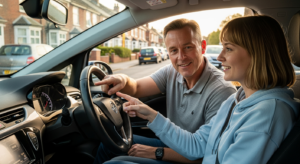
Most learners take the practical test in their instructor’s car because it is familiar, properly equipped and usually suitable for test conditions. This can reduce stress because you already know the clutch, mirrors, controls, reference points and visibility.
You can use your own car for the practical test, but it must meet the official requirements. According to GOV.UK guidance on using your own car for your driving test, it must be roadworthy, insured for a driving test, taxed, fitted with L plates and suitable for the examiner. You will also need an extra interior rear-view mirror for the examiner.
If you passed or are learning in an automatic, remember that passing the test in an automatic car gives you an automatic-only licence. If you want a manual licence, you must take the practical test in a manual car.
What to do after your test is booked
A confirmed test date gives your lessons a clear goal. Use the time wisely rather than simply hoping everything comes together.
Your final preparation should focus on safe, independent driving in varied conditions. You should be comfortable with busy junctions, dual carriageways where relevant, roundabouts, meeting traffic, parking manoeuvres, hill starts, emergency stop practice if appropriate, and following sat nav or traffic signs.
It is also worth revisiting the most common reasons learners fail. Many faults are not dramatic incidents, but repeated problems with observations, judgement, positioning, speed control or response to signs. Our guide to the top reasons learners fail their driving test explains these in more detail.
| Time before test | What to focus on |
|---|---|
| 4 to 8 weeks | Fill skill gaps, practise different road types and build independence |
| 2 to 4 weeks | Take mock tests, refine manoeuvres and fix repeated faults |
| Final week | Keep lessons steady, review “show me, tell me” questions and avoid last-minute panic |
| Test day | Bring your licence, arrive on time and focus on safe decisions |
If you want a structured preparation plan, read our tips on how to pass your driving test first time and our Show Me Tell Me questions guide.
Common car test booking mistakes to avoid
A small booking error can create a big delay, especially when local test slots are limited. Before you pay, slow down and check every detail.
Common mistakes include booking at a test centre your instructor does not cover, choosing a date after your theory certificate expires, booking an automatic test when you want a manual licence, forgetting to confirm the instructor’s car, paying an unofficial site unnecessary fees, and moving the test earlier before you are ready.
Another mistake is treating the booking as the finish line. It is not. The booking gives you a deadline, but your driving standard on the day is what matters. Keep taking lessons, practise consistently, and ask your instructor for honest feedback.
How My Driving Instructor makes test preparation easier
Car test booking is only one part of passing. You also need the right instructor, consistent lessons, clear feedback and a plan for improvement.
My Driving Instructor is a free app that connects learners with verified ADI and PDI instructors across the UK. You can search by postcode, compare instructor reviews and ratings, book lessons, arrange flexible pickup locations and track your lesson progress. For learners preparing for a practical test, that makes it easier to find local support and stay organised.
Instructors can also manage bookings in-app, access student contact details and build their reputation through reviews. That helps learners make more informed choices when selecting someone to prepare them for test day.
Frequently Asked Questions
How do I book a car driving test in the UK? In England, Scotland and Wales, book through the official GOV.UK practical driving test service. In Northern Ireland, book through nidirect. You will usually need your provisional licence details, theory test pass information and payment card.
Can I book my practical test before passing my theory test? In most cases, no. You need to pass the theory test before booking a practical car driving test. Your theory pass certificate is valid for 2 years, so make sure your practical test date is before it expires.
How much is a practical car test? In Great Britain, the standard DVSA practical car test fee is usually £62 on weekdays and £75 for evenings, weekends and bank holidays. Always check GOV.UK for the latest fee before booking.
Can my driving instructor book my test for me? Some instructors may help you with the process, but the booking is your responsibility and must use your correct details. Always make sure you receive the official confirmation and that the date works for your instructor.
Can I change my car test booking? Yes, you can usually change your test online. To avoid losing your fee in Great Britain, you normally need to give at least 3 full working days’ notice. Check the official rules before making changes close to the test date.
Is it worth booking a test at a different centre for an earlier date? Sometimes, but only if you can practise there and your instructor is available. An earlier slot is not always better if the area is unfamiliar or you are not ready.
Ready to book lessons around your test date?
A smooth car test booking starts with good preparation. Before you choose a date, make sure you have an instructor who understands your goals, your local test centre and the areas you still need to improve.
With My Driving Instructor, you can find verified driving instructors near you, compare reviews, book lessons by postcode and track your progress as you work towards test day. It is free for learners and designed to make learning to drive simpler from your first lesson to your practical test.
Key Takeaways
- Research your options and compare different instructors before booking
- Consider your learning style and choose manual or automatic accordingly
- Budget for the full journey including test fees and practice time
- Stay consistent with lessons to retain skills between sessions