Two learners can spend the same number of hours in a car and have completely different experiences. One needs calm reassurance before every new skill. Another wants to understand the logic behind every mirror check. Someone else learns best by repeating a manoeuvre several times with minimal talking.
That is why it is not enough to find the nearest instructor or the cheapest hourly rate. To find a driving instructor who genuinely helps you progress, you need to match their teaching style with the way you learn, manage nerves and build confidence behind the wheel.
This guide explains how to identify your learning needs, what to ask before booking and how to use your first lesson to decide whether an instructor is the right fit.
Why learning style matters when learning to drive
Driving is not just a memory task. It combines observation, judgement, coordination, confidence and decision-making under pressure. A good instructor does more than explain how to steer or change gear. They help you recognise risk, understand your own mistakes and become safe enough to drive independently after the test.
The DVSA's National standard for driver and rider training emphasises client-centred learning, risk management, lesson planning and meaningful feedback. In practical terms, this means an instructor should adapt how they teach, rather than expecting every learner to respond to the same method.
Learning style does not mean putting yourself into a rigid box. It simply means noticing what helps you learn well. Do you need a clear plan before trying something new? Do you prefer short explanations and lots of practice? Do you lose confidence when feedback feels too blunt? These details matter because the right instructor can make lessons feel structured, safe and productive.

Work out what helps you learn behind the wheel
Before you compare instructors, take a few minutes to think about how you usually learn under pressure. School, work, sport or previous driving experience can all give clues. The aim is not to diagnose yourself. It is to make better choices when booking lessons.
| What you notice about yourself | Instructor style likely to help | Question to ask before booking |
|---|---|---|
| You feel anxious before new tasks | Calm, patient, gradual progression on quieter roads | How do you support nervous beginners? |
| You like seeing things first | Demonstrations, diagrams, reference points and route previews | Do you use visual explanations before I try a new skill? |
| You learn by doing | Short explanations, repeated practice and immediate correction | How much of the lesson is practical driving time? |
| You want to know why rules matter | Detailed reasoning, links to real road risk and test standards | Can you explain the reasons behind techniques, not just the routine? |
| You have a busy schedule | Clear lesson goals, progress tracking and consistent booking times | Can we plan lessons around a target test date or weekly routine? |
| You have additional learning needs | Predictable structure, flexible pacing and clear communication | Can we adapt lessons to suit how I process information? |
If you are unsure which row describes you, think about your last difficult learning experience. What made it easier? A supportive teacher? Written notes? Repetition? Being left to figure things out? Your answer will help you choose an instructor who fits your natural learning pattern.
What a well-matched instructor does differently
The right instructor should still challenge you. Matching your learning style does not mean every lesson will feel easy. It means the challenge is delivered in a way that helps you improve without feeling overwhelmed, confused or ignored.
A good fit usually shows up in these behaviours:
- They ask about your previous experience, confidence level and goals before deciding what to teach.
- They explain the aim of each lesson, so you know what success looks like.
- They adapt their feedback, for example giving quick prompts in traffic but longer explanations once parked safely.
- They balance encouragement with honest correction.
- They keep a record of what you have covered and what needs more work.
- They help you reflect on mistakes rather than simply telling you off.
- They build independence instead of making every decision for you.
This is different from choosing an instructor only because they have availability this week. Availability matters, but if the teaching style is wrong, you may need more lessons, lose confidence or struggle to apply skills without prompts.
For broader checks such as qualifications, reviews and pricing, you can also read our guide on how to choose a driving instructor. This article focuses specifically on the learning-style match.
Questions to ask before you book
You do not need to interview an instructor aggressively. A few polite questions can tell you a lot about whether their approach suits you. Most professional instructors will welcome sensible questions because it shows you are taking your learning seriously.
Useful questions include:
- How do you usually structure lessons for new learners?
- How do you support learners who feel nervous or overthink mistakes?
- Do you give feedback during the drive, after pulling over or at the end of the lesson?
- Can you adapt explanations if I do not understand something the first time?
- Do you use lesson goals or progress tracking?
- Do you teach in manual, automatic or both?
- Can lessons start from home, college, work or another pickup point?
- How far ahead do I need to book regular slots?
- What should I practise between lessons if I have access to private practice?
Pay attention to the tone of the reply as much as the answer itself. If an instructor is dismissive before you have even booked, they may not be the best match for a learner who needs patience and clear communication.
Also check the basics. In the UK, an Approved Driving Instructor should display a green badge, while a trainee instructor with a licence should display a pink badge. My Driving Instructor helps by listing verified ADI and PDI instructors, but it is still sensible to understand what those badges mean.
Use the first lesson as a fit check
Your first lesson is not only about learning the cockpit drill, moving off or stopping safely. It is also your chance to assess whether you feel comfortable learning with that person.
You do not need to decide in the first five minutes. Many learners feel nervous at the start, even with a good instructor. Instead, judge the lesson as a whole.
| Part of the lesson | Positive sign | Possible concern |
|---|---|---|
| Initial conversation | They ask about your goals, nerves and experience | They rush straight in without checking your level |
| Explanation of tasks | Instructions are clear and broken into steps | You feel confused but they keep repeating the same wording |
| Safety management | They stay calm and intervene when needed | They make you feel panicked or embarrassed |
| Feedback | You understand what to improve and how to practise it | Feedback feels vague, harsh or inconsistent |
| End of lesson recap | You leave knowing what went well and what comes next | There is no summary or plan for future lessons |
After the lesson, ask yourself three simple questions. Did I feel safe? Did I understand what I was being taught? Did the instructor respond well when I made mistakes? If the answer is mostly yes, you may have found a good match.
If the answer is no, it does not mean you are a bad learner. It may simply mean you need a different teaching style.
Match the lesson format to your learning style
Teaching style is only one part of the fit. The lesson format also affects how quickly you progress. Some learners thrive with weekly lessons because they need time to process and practise. Others lose momentum if lessons are too far apart.
If you like steady progress, a regular weekly lesson can work well, especially if you combine it with private practice in a suitable insured car. If you forget skills quickly between lessons, two shorter gaps per week may help you build confidence faster.
If you are goal-driven and have time available, a more intensive schedule may suit you. Intensive courses can be useful for learners who cope well with long sessions and repeated practice, but they are not ideal for everyone. If you become mentally tired quickly or need time to absorb feedback, a slower routine may be more effective.
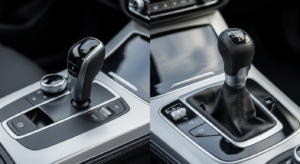
Your choice of manual or automatic also matters. Learners who feel overloaded by clutch control, gears and steering at the same time may find automatic lessons less stressful. However, passing in an automatic means your licence only covers automatic cars. If you are still deciding, read our guide to automatic vs manual driving lessons.
Think honestly about why you want to drive. A learner who needs daily commuting confidence may need a different lesson plan from someone who mostly wants occasional independence. There will also be journeys where it is better not to drive tired, rushed or under pressure. For special events, airport transfers or times when you want a calmer passenger experience, professional chauffeured transport can be a sensible option while you continue building experience.
How reviews can reveal teaching style
Reviews are useful, but only if you read them for patterns. A five-star rating is helpful, but the wording tells you more about the instructor's personality and method.
Look for repeated comments such as patient, calm, explains clearly, good with nervous learners, punctual, organised or helped me understand mistakes. These phrases suggest the instructor may be strong at communication and confidence-building.
Be cautious if reviews are vague or if several learners mention feeling rushed, lessons starting late or poor communication. One negative review does not always tell the full story, but repeated themes are worth noticing.
Try to match review language to your own needs. If you are anxious, reviews from other nervous learners are especially useful. If you want rapid progress, look for comments about structured plans and clear targets. If you have had lessons before and lost confidence, look for instructors who are praised for rebuilding confidence rather than simply getting learners through tests.
Do not ignore practical fit
Even the perfect teaching style will be difficult to maintain if the practical details do not work. Before committing to regular lessons, check that the instructor can support your routine.
Consider availability, pickup locations, lesson length, car type, local test centre knowledge and how bookings are managed. If you need lessons around college or work, flexible pickup locations can make consistency much easier. If you are preparing for a test, you will also need an instructor whose diary can support your target date.
Budget matters too. The cheapest lesson is not always the best value if progress is slow or inconsistent. Equally, a higher hourly rate does not automatically mean the instructor is right for you. A better question is whether each lesson has a clear purpose and helps you move closer to independent driving.
If you are planning your budget, our UK driving lesson cost guide explains typical cost factors. You can also read about how many driving lessons learners often need to set realistic expectations.
How My Driving Instructor helps you find the right match
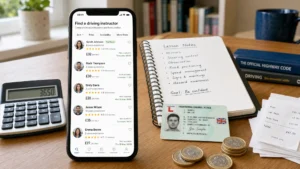
My Driving Instructor is designed to make the search easier for UK learners. Instead of relying only on word of mouth or messaging several instructors separately, you can search by postcode and compare local options in one place.
The free app helps learners find verified ADI and PDI instructors, compare profiles, read reviews and ratings, and book lessons through an easy-to-use interface. Real-time booking and scheduling make it easier to plan regular lessons, while lesson progress tracking helps you understand what you have covered and what still needs work.
Flexible pickup locations are especially useful if your routine changes between home, work, school or university. For instructors, the platform also supports booking management and reputation-building, which helps learners make more informed choices.
The goal is not just to find any instructor. It is to find someone qualified, available and suited to the way you learn.
Frequently Asked Questions
How do I know if a driving instructor matches my learning style? You will usually notice through their communication, feedback and lesson structure. A good match explains things in a way you understand, keeps you feeling safe, adapts when you struggle and gives you a clear plan for improvement.
Should nervous learners choose a specialist instructor? Nervous learners should look for instructors with reviews that mention patience, calm communication and confidence-building. You do not always need a specialist, but you do need someone who takes nerves seriously and does not rush your progress.
Is it okay to change driving instructor? Yes. If you feel unsafe, consistently confused or uncomfortable after giving the lessons a fair chance, changing instructor can be the right decision. Learning to drive is important, and the teaching relationship should support your progress.
How many lessons should I take before deciding if the instructor is right? Many learners can sense the fit after one or two lessons. If you are completely new, you may need a few lessons to separate normal beginner nerves from a poor teaching match. Look for clear communication, safety and a structured plan.
Should I choose the cheapest driving instructor near me? Price matters, but it should not be the only factor. A slightly more expensive instructor who teaches clearly, plans lessons well and builds your confidence may offer better value than cheaper lessons that feel disorganised.
Can I ask an instructor to teach me in a specific way? Yes. You can ask for more demonstrations, slower explanations, written goals, more independent practice or calmer feedback. A professional instructor may not agree to unsafe requests, but they should be willing to adapt reasonable teaching preferences.
Ready to find an instructor who fits you?
The right instructor can make learning to drive feel calmer, clearer and more achievable. Start by understanding how you learn, then compare instructors based on teaching style, reviews, qualifications and practical availability.
Use My Driving Instructor to search by postcode, compare verified ADI and PDI instructors, read reviews and book lessons with confidence. The app is free for learners and helps you take the next step towards safe, independent driving.
Key Takeaways
- Research your options and compare different instructors before booking
- Consider your learning style and choose manual or automatic accordingly
- Budget for the full journey including test fees and practice time
- Stay consistent with lessons to retain skills between sessions