Need your licence fast? Intensive driving courses promise to get you from learner to licensed in just weeks. But are they actually worth it? Here’s an honest assessment.
What Is an Intensive Driving Course?
An intensive course (also called a “crash course”) condenses your driving lessons into a short period—typically 1-4 weeks. Instead of weekly lessons spread over months, you’ll drive for 4-6 hours daily.
Typical Course Structures
- 1-week course: 30-40 hours of lessons
- 2-week course: 40-50 hours of lessons
- Semi-intensive: 2-3 hours daily over 3-4 weeks
The Pros of Intensive Courses
1. Speed
The biggest advantage is getting your licence quickly. While traditional learners take 6-12 months, intensive learners can pass in 1-4 weeks.
2. Better Retention
Daily practice means you don’t forget skills between lessons. There’s no “relearning” time each session.
3. Focused Learning
With nothing but driving on your mind, you can fully immerse yourself in learning. No distractions from work or study.
4. Potentially Cost-Effective
Block booking often means discounted hourly rates. You may also need fewer total hours due to better skill retention.
5. Higher Pass Rates
Some data suggests intensive learners have higher first-time pass rates due to consistent, focused practice.
The Cons of Intensive Courses
1. Information Overload
Driving for 5-6 hours daily is mentally exhausting. Some learners struggle to absorb so much information so quickly.
2. Physical Fatigue
Concentration fatigue can affect your performance, especially towards the end of long days.
3. Not Ideal for Complete Beginners
If you’ve never touched a steering wheel, an intensive course can be overwhelming. Some prior experience helps.
4. Limited Real-World Experience
You might not experience different weather conditions, night driving, or varied traffic situations in such a short time.
5. High Risk If You Fail
If you fail your test at the end, you’ll wait weeks for another slot—and may forget what you learned while waiting.
6. Schedule Commitment
You need to take time off work or study. Not everyone can dedicate entire weeks to driving.
Cost Comparison
Intensive Course Costs
- Budget courses: £800 – £1,200
- Standard courses: £1,200 – £1,800
- Premium courses (with test): £1,500 – £2,500
Traditional Lessons Cost
- 45 hours at £37/hour: ~£1,665
The total cost is often similar, though intensive courses may include the test fee and car hire for the test.
Who Should Consider an Intensive Course?
Good Candidates
- You need your licence urgently (new job, etc.)
- You have some prior driving experience
- You can dedicate full weeks to learning
- You learn well under pressure
- You’re confident and quick to pick up new skills
Not Recommended If
- You’re a complete beginner with no experience
- You get anxious under pressure
- You need time to process and practice skills
- You can’t take extended time off
A Hybrid Approach
Many learners find success with a hybrid approach:
- Take 10-15 hours of traditional lessons to learn basics
- Practice with a supervising driver
- Book a 1-week intensive course to get test-ready
This gives you the best of both worlds—solid foundations plus intensive polishing before your test.
Red Flags to Watch For
- “Guaranteed pass”: No legitimate school can guarantee this
- Unrealistic timeframes: “Pass in 3 days” for complete beginners
- No test included: Ensure the test is booked as part of the package
- Hidden fees: Check what’s included before booking
The Bottom Line
Intensive courses are worth it for the right learner—someone who needs to pass quickly, has some experience, and can handle concentrated learning. For complete beginners or those who learn better with time between lessons, traditional weekly lessons remain the better choice.
Find instructors offering both intensive and regular lessons. Browse our UK locations.
Related Reading
- How Many Driving Lessons Do You Need?
- Driving Lesson Costs UK 2025
- Driving Test Waiting Times 2025
- Intensive Driving Lessons Near You
Key Takeaways
- Research your options and compare different instructors before booking
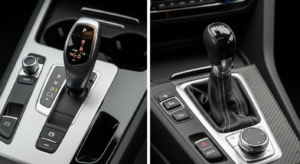
- Consider your learning style and choose manual or automatic accordingly
- Budget for the full journey including test fees and practice time
- Stay consistent with lessons to retain skills between sessions