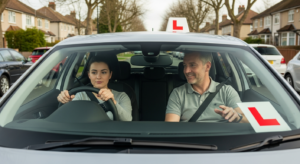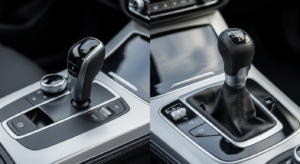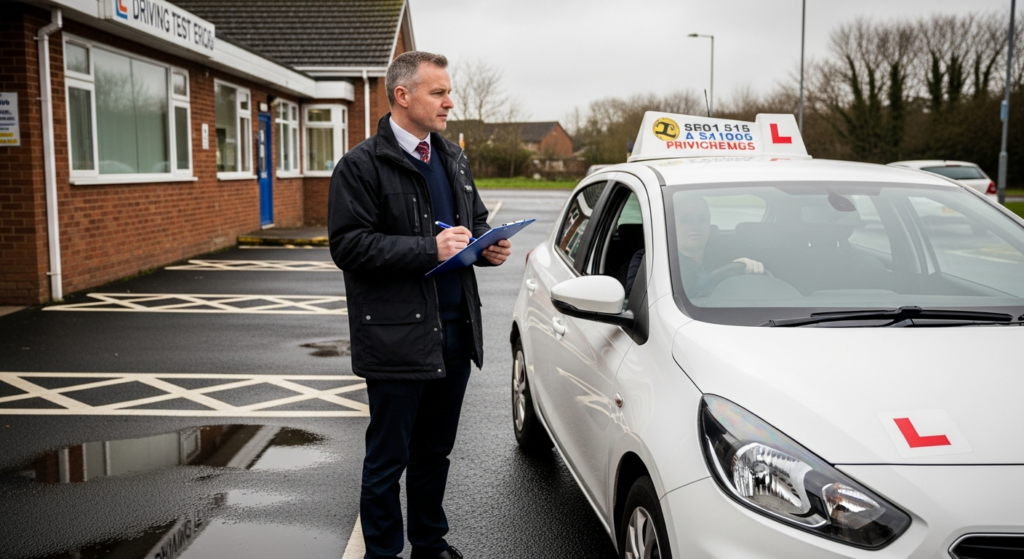
Nearly half of all driving tests in the UK end in failure. Understanding the most common mistakes can help you avoid them. Here are the official top 10 reasons learners fail, according to DVSA data.
The Current Pass Rate
As of 2025, the UK driving test pass rate is around 48-51%. That means roughly half of all test candidates fail. But here’s the good news: most failures are due to the same preventable mistakes.
Top 10 Reasons for Failing (Official DVSA Data)
1. Junctions – Observation (Most Common)
This has been the #1 reason for failure every year since 2006. Learners fail to properly check left and right at junctions, missing approaching vehicles, cyclists, or pedestrians.
How to avoid: Take your time at junctions. Look left-right-left again before pulling out. If in doubt, wait.
2. Mirrors – Change Direction
Failing to check mirrors before signalling, changing lanes, or changing speed. This has been in the top 3 since 2007.
How to avoid: Build a habit: Mirror-Signal-Manoeuvre (MSM). Check mirrors before any change in direction or speed.
3. Control – Steering
Steering too early, too late, or not smoothly. This causes issues with positioning and can lead to mounting kerbs.
How to avoid: Look where you want to go. Keep a smooth, steady grip and avoid jerky movements.
4. Junctions – Turning Right
Poor positioning when approaching and making right turns. Cutting corners or positioning too far left.
How to avoid: Position just left of centre. Wait in a safe position if oncoming traffic is approaching.
5. Move Off – Safety
Not checking properly before moving off, or accelerating into a vehicle that hasn’t moved away yet.
How to avoid: Always check mirrors and blind spot before moving. Ensure the vehicle ahead has actually moved.
6. Response to Signs – Traffic Lights
Incorrect responses to traffic lights—proceeding on amber or not checking the road is clear on green.
How to avoid: Amber means stop unless unsafe to do so. On green, still check the junction is clear.
7. Move Off – Control
Rolling back on hills, stalling when moving off, or poor clutch control (manual cars).
How to avoid: Practice hill starts extensively. Find the bite point before releasing the handbrake.
8. Positioning – Normal Driving
Straddling lanes, drifting, or not staying in the centre of your lane.
How to avoid: Look ahead, not at the bonnet. Keep centred in your lane and maintain awareness of road markings.
9. Response to Signs – Road Markings
Ignoring or misreading road markings, particularly box junctions and lane markings.
How to avoid: Study road markings in the Highway Code. Never enter a box junction unless your exit is clear.
10. Reverse Park – Control
Poor control during manoeuvres, including bay parking and parallel parking.
How to avoid: Practice all manoeuvres until they become second nature. Use reference points.
Understanding Test Faults
Minors (Driving Faults)
You can make up to 15 minor faults and still pass. These are small mistakes that don’t cause danger.
Majors (Serious Faults)
Just one serious fault means failure. These are potentially dangerous mistakes.
The 3-Minor Rule
Making the same minor mistake three or more times often results in it being marked as a serious fault. Consistency matters.
Tips to Pass First Time
- Book a lesson on test day: A warm-up lesson calms nerves
- Know your test routes: Practice in the test centre area
- Take your time: Rushing causes most mistakes
- Use the 6-point check: Before every move-off
- Bring your instructor: They can observe and give feedback
- Prepare for “what if”: Know what to do in unusual situations
When You’re Ready to Test
Only book your test when your instructor confirms you’re ready. A failed test costs money and adds to waiting times. It’s better to take a few extra lessons than rush and fail.
Find patient, qualified instructors who’ll get you test-ready. Browse our UK locations.
Related Reading
- How to Pass Your Driving Test First Time
- Show Me Tell Me Questions 2025
- Driving Test Waiting Times 2025
- Find Driving Instructors Near You
Key Takeaways
- Research your options and compare different instructors before booking
- Consider your learning style and choose manual or automatic accordingly
- Budget for the full journey including test fees and practice time
- Stay consistent with lessons to retain skills between sessions