Booking a practical driving test looks simple: choose a slot, pay the fee and turn up. In reality, small booking mistakes can cost you the test fee, delay your licence by weeks, or leave you taking a test before you are ready.
If you are about to book your driving test, the aim is not just to find any available date. The aim is to book the right test, at the right centre, with the right preparation behind you. This guide walks you through the safe way to book in the UK, the common traps to avoid, and the checks to make before you pay.
A quick UK note before we start: in England, Scotland and Wales, practical car tests are managed by the DVSA through GOV.UK. In Northern Ireland, practical tests are managed by the DVA through nidirect.
The safest place to book your driving test
For learner drivers in Great Britain, the safest starting point is the official GOV.UK driving test booking service. This is the route that lets you book directly with the DVSA.
That matters because search results can include adverts and third-party booking services. Some are legitimate businesses, but they may charge extra, use unclear terms, or make it harder to manage your booking. The official service shows the actual DVSA fee and gives you direct control over your appointment.
If you are booking in Northern Ireland, use the official nidirect practical driving test service instead.
For a car practical driving test in Great Britain, GOV.UK currently lists the standard weekday fee as £62 and the evening, weekend or bank holiday fee as £75. Fees can change, so always check the official driving test cost page before you book.
| Test or booking item | What to check | Why it matters |
|---|---|---|
| Practical car test fee | Check the latest GOV.UK fee before paying | Third-party sites may charge more than the official fee |
| Theory test pass | Make sure it is valid on your planned test date | A car theory pass lasts 2 years, then you must retake it |
| Driving licence details | Use your correct licence number and personal details | Mistakes can cause booking or ID problems |
| Test centre | Check the location, travel time and instructor coverage | A distant centre can add stress and lesson costs |
| Instructor and car availability | Confirm before you book | No suitable car on the day can mean losing the test |
Before you book: the checks that save money
A driving test is not just a calendar event. It depends on your theory certificate, your instructor’s availability, your car choice, your confidence, and your actual driving standard.
Before booking, ask yourself a practical question: if the test were tomorrow, would I be safe driving independently for around 40 minutes with an examiner giving directions? If the honest answer is no, booking immediately may create pressure rather than progress.
The DVSA’s Ready to Pass campaign encourages learners to take the test only when they can drive safely and consistently without help. That does not mean you need to be perfect. It means you should be able to handle normal road situations without your instructor stepping in, prompting you constantly, or correcting the same serious issues every lesson.
It is also worth checking how your preparation compares with typical lesson needs. If you are unsure, read our guide on how many driving lessons you may need to pass before booking too early.
Step-by-step: how to book without the usual traps
Follow this process before you pay for a slot.
- Speak to your instructor first: Ask whether you are likely to be test-ready by the date you are considering. A good instructor will be honest, even if the answer is not what you hoped.
- Choose suitable test centres: Use the official find a driving test centre tool and focus on centres your instructor covers and where you can practise realistically.
- Check your theory pass expiry date: You must pass your practical test before your theory certificate expires. If it expires first, you will need to retake the theory test.
- Use the official booking service: In Great Britain, use GOV.UK. In Northern Ireland, use nidirect. Be careful with sponsored search results that look official but are not.
- Enter your details carefully: Check your driving licence number, name, date of birth, email address and selected test centre before confirming.
- Pick a realistic time and date: Leave enough time for remaining lessons, mock tests and local practice. Do not choose a date purely because it is the earliest available.
- Save the confirmation: Keep your booking reference, test centre address, test time and payment confirmation somewhere easy to find.
The biggest booking errors usually happen when learners rush one of those steps.
Costly mistake 1: booking before you are test-ready
Booking early can feel motivating, especially when waiting times are long. But if the date arrives before your driving is consistent, the test fee becomes only part of the cost. You may also need extra lessons, another booking, and weeks or months of waiting for a new slot.
You are probably closer to test standard when you can drive safely without frequent prompts, make decisions independently at junctions and roundabouts, control speed naturally, and recover calmly from small mistakes. You should also be comfortable with manoeuvres, independent driving, road signs, sat nav instructions and the ‘show me, tell me’ questions.
If you want a practical readiness checklist, our guide on how to pass your driving test first time covers the habits that make the biggest difference on test day. It is also worth reviewing the common reasons learners fail their driving test so you know what to fix before you book.
The expensive mistake is not failing once. Many excellent drivers need more than one attempt. The expensive mistake is booking when your instructor already knows you are not ready.
Costly mistake 2: chasing the earliest date at the wrong test centre
When waiting times are frustrating, it is tempting to book any available slot, even if it is far away. Sometimes that can work, especially if the centre is nearby and your instructor knows the area. But choosing a completely unfamiliar test centre can create new problems.
Different centres can mean different road layouts, traffic patterns, roundabouts, speed limits, hill starts, rural roads or dual carriageways. You do not need to memorise test routes, and you should not rely on route memorisation. But you do need enough local experience to understand the types of roads you may meet.
| Booking choice | When it can make sense | Risk to consider |
|---|---|---|
| Your nearest suitable test centre | You already practise there and your instructor covers it | Waiting times may be longer |
| A nearby alternative centre | Your instructor knows it and you can practise there | You may need extra lessons to adapt |
| A distant cancellation slot | You are very test-ready and can arrange the car confidently | Travel, unfamiliar roads and instructor availability can cancel out the benefit |
If your main concern is delay, read our guide to driving test waiting times and earlier slots before paying for a test centre that may not suit you.
Costly mistake 3: not checking your instructor and car are available
Most learners take the practical test in their instructor’s car. That means your instructor needs to be free, the car needs to be suitable, and there should usually be time for a short warm-up lesson before the test.
Do not assume your instructor can rearrange their diary around a test you booked without asking. Instructors may already have lessons, another learner’s test, school runs, holidays or vehicle maintenance booked. If they cannot attend, you may need to find another car at short notice, move your test, or lose your fee.
If you plan to use your own car, check the rules carefully. It must be roadworthy, taxed, insured for a driving test, display L plates, and meet the DVSA requirements for test vehicles. Your accompanying driver must also meet the legal requirements. When in doubt, check official guidance before relying on a private car.
This is one reason lesson scheduling matters. Through My Driving Instructor, learners can search by postcode, compare verified ADI and PDI instructors, check reviews and manage lesson bookings in-app. The test itself must still be booked through the official service, but the right instructor can help you plan around the date.
Costly mistake 4: using unofficial sites or paying over the odds
One of the easiest ways to waste money is to click the wrong booking result. Unofficial services can appear above GOV.UK in search results, especially when they run adverts. Some charge admin fees for something you can do yourself on the official site.
Be especially careful if a service promises a guaranteed earlier test, asks for a large upfront payment, sells test slots through social media, or refuses to show a clear official confirmation. No third party can guarantee you will pass, and no booking service should pressure you into paying more than you understand.
Warning signs include:
- The website is not GOV.UK or nidirect but looks similar to an official service
- The fee is much higher than the official practical test fee
- You are asked to send personal details through social media or messaging apps
- The seller claims they can guarantee a test at a specific centre immediately
- You do not receive an official booking confirmation in your own name
Cancellation checkers can be useful for some learners, but read the terms carefully. Make sure you understand the cost, how your details are used, and whether you can still manage your own booking. The safest option is always to start with the official booking system.
Costly mistake 5: missing the change or cancellation deadline
Plans change. You may become ill, your instructor may be unavailable, or you may realise you are not quite ready. The key is to act early.
In Great Britain, you can manage your appointment through the official change your driving test and cancel your driving test services. GOV.UK guidance says you usually need to give at least 3 full working days’ notice to change or cancel without losing your fee. Sundays and public holidays do not count as working days.
| Situation | Best action | Why it matters |
|---|---|---|
| You are not test-ready | Speak to your instructor and move the test early | Last-minute changes can mean losing the fee |
| Your instructor cannot attend | Check alternative car options or change the date | Turning up without a suitable car can stop the test going ahead |
| Your theory certificate is close to expiring | Plan carefully before moving the test | If theory expires, you must retake it before another practical test |
| You entered the wrong details | Correct the issue as soon as possible through the official service | Errors can cause stress or booking problems later |
Do not wait until the night before to decide. If your instructor says you are not ready, moving the test early can be cheaper than failing a test you had little chance of passing.
Costly mistake 6: choosing the wrong type of test
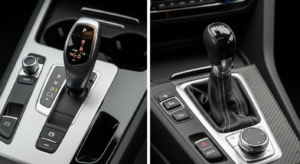
Make sure the test you book matches how you are learning. If you learn and pass in an automatic car, your licence will only allow you to drive automatics. If you pass in a manual car, you can drive both manual and automatic cars.
This is not just a test-day detail. It affects which instructor you choose, which car you practise in, and what licence you will hold afterwards. If you are still deciding, compare the options in our guide to automatic vs manual driving lessons.
Also check that your licence details are correct, especially if you have changed address or name. Your booking information and ID need to match official records.
Costly mistake 7: forgetting what to take on the day
Booking correctly does not help if you arrive without the required documents. For a practical driving test, you must bring your driving licence. GOV.UK explains what to take in its official driving test day guidance.
If you still have an old-style paper licence, check the extra ID requirements well in advance. Do not leave this until the morning of the test.
Your eyesight also matters. At the start of the test, you will be asked to read a number plate from 20 metres. If you need glasses or contact lenses to meet the eyesight standard, wear them. If you cannot read the plate, the test will not continue.
On the practical side, know exactly how you are getting to the test centre, where you are meeting your instructor, and what time you need to leave. A calm test day starts with a calm booking plan.
When is the best time to book your driving test?
The best time to book is when three things line up: your theory test is passed and in date, your instructor agrees you can be ready by the proposed date, and you have enough lesson time left to polish weak areas.
If waiting times are long in your area, your instructor may advise booking ahead while you continue preparing. That can be sensible, but only if the target date is realistic. A test date should focus your practice, not replace it.
A useful rule is this: book when your instructor believes you can reach test standard by that date, not when you hope the pressure of a booking will make you ready.
How My Driving Instructor can help before you book
My Driving Instructor is a free app that helps learner drivers find verified driving instructors across the UK. You can search by postcode, compare reviews and ratings, book lessons, manage scheduling and track lesson progress.
That can make test planning easier because you are not guessing alone. The right instructor can help you decide when to book, which test centres make sense, how many lessons to plan before the date, and whether your driving is consistent enough for the practical test.
The app does not replace the official GOV.UK or nidirect booking process. Instead, it helps you build the preparation behind a smart booking.
Frequently Asked Questions
Can I book my driving test before passing my theory test? For a standard car practical test in Great Britain, you need to pass the theory test before booking the practical test. Your theory pass is valid for 2 years, and you must pass the practical test before it expires.
How much does it cost to book a driving test? In Great Britain, GOV.UK currently lists a car practical test at £62 on weekdays and £75 for evenings, weekends and bank holidays. Always check the official fee page before paying, as costs can change.
Should I book the earliest driving test I can find? Not always. An earlier test is only useful if you are ready, your instructor and car are available, and the test centre is suitable. A later but realistic date is often cheaper than rushing into a failed attempt.
Can my instructor book the test for me? Some instructors may help you with the process, but the booking should be in your name and you should receive the official confirmation. Make sure you know the fee, test centre, date and booking reference.
What happens if I cancel my driving test too late? You will usually lose your test fee if you do not give enough notice. In Great Britain, GOV.UK says you normally need at least 3 full working days’ notice to change or cancel without losing the fee.
Is it safe to use a driving test cancellation app? Some learners use cancellation services, but you should be cautious. Check the cost, terms and data permissions, and avoid anyone selling slots through social media or promising guaranteed results. The official booking service is the safest starting point.
Book lessons around your test with confidence
Before you book your driving test, make sure your preparation is as organised as your calendar. A verified instructor can help you choose the right timing, practise the right skills and avoid paying for a test before you are ready.
Use My Driving Instructor to search for verified ADI and PDI instructors near you, compare reviews and ratings, book lessons by postcode and track your progress. It is free for learners and instructors, and it can help you approach your test date with a clearer plan.
Key Takeaways
- Research your options and compare different instructors before booking
- Consider your learning style and choose manual or automatic accordingly
- Budget for the full journey including test fees and practice time
- Stay consistent with lessons to retain skills between sessions