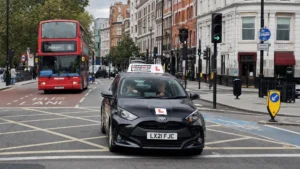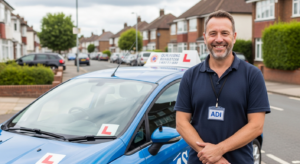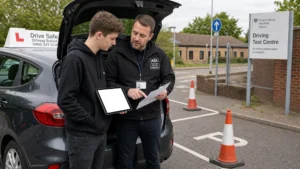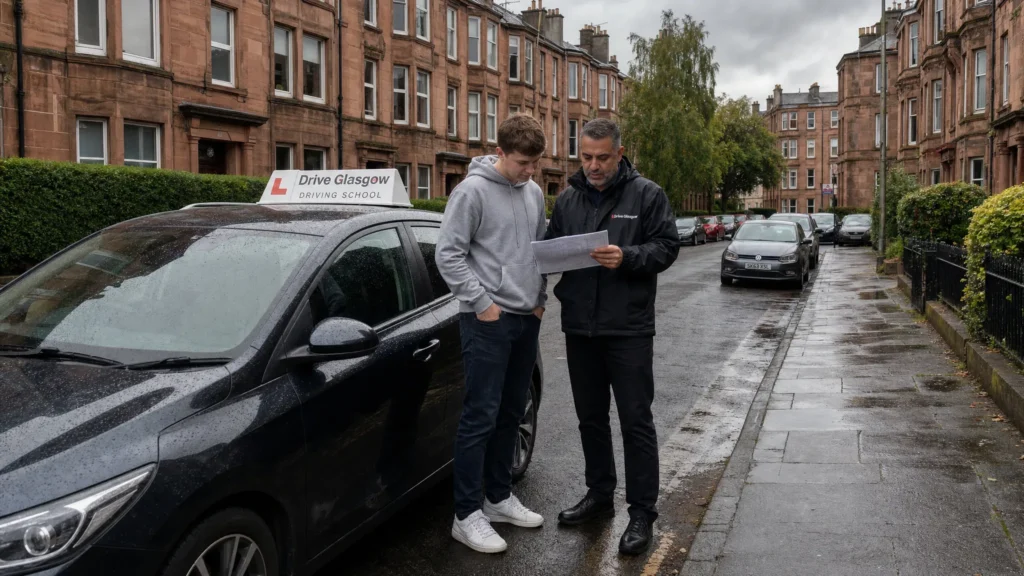
If you are searching for driving lessons in Glasgow, the best first step is not simply booking the cheapest slot you can find. It is building a sensible plan: get the legal basics sorted, choose the right type of instructor, understand the roads you are likely to practise on, and book lessons at a pace that keeps your confidence growing.
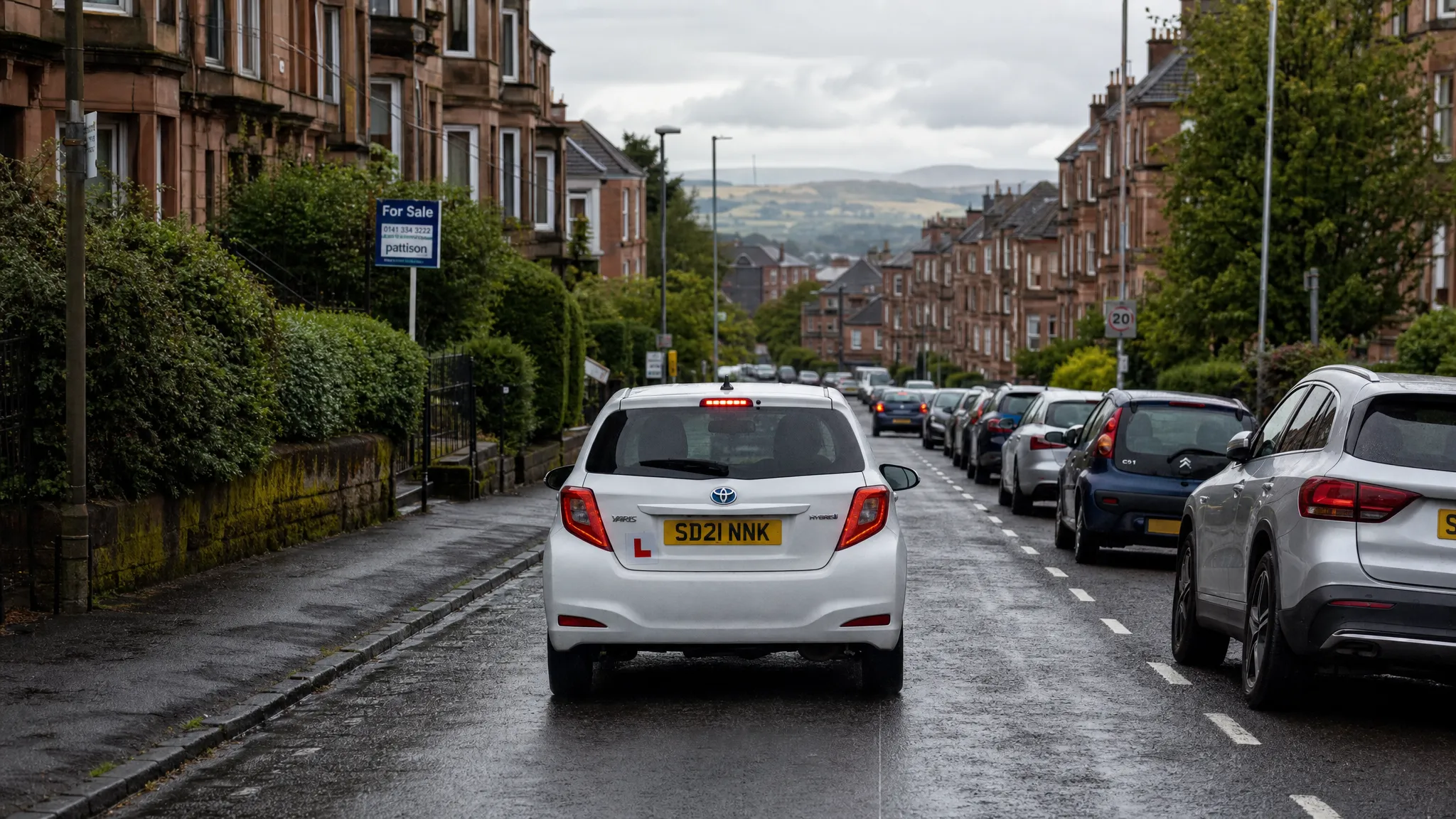
Glasgow is a lively place to learn. You may practise on residential streets in the West End, busier routes around the city centre, multi-lane roads near the M8, or quieter suburban roads in areas such as Bearsden, Shawlands, Bishopbriggs, Pollokshields, Anniesland, Dennistoun or East Kilbride. That variety is useful, but it also means your instructor matters. A calm, local, properly qualified instructor can help you turn Glasgow’s road network into a structured learning path rather than a source of stress.
This guide explains how to get started smartly, whether you are a complete beginner, a student new to the city, or returning to driving after a break.
Why learning to drive in Glasgow needs a local approach
Driving lessons are not identical from city to city. Glasgow learners often need to build confidence with hills, wet weather, busy junctions, bus lanes, one-way systems, cyclists, parked cars, pedestrians, and faster roads leading out of the city.
That does not mean Glasgow is a difficult place to learn. In fact, it can be ideal because you can experience a wide range of everyday driving situations before your test. The key is to start in the right areas, progress gradually, and avoid rushing into traffic situations before you have good car control.
A good Glasgow instructor will usually start you somewhere quiet enough to practise moving off, stopping, steering and basic observations. As you improve, lessons can move towards busier roundabouts, traffic-light junctions, hill starts, lane positioning, independent driving, and test-style routes near your chosen driving test centre.
What you need before booking your first lesson
Before you book, make sure the essentials are in place. You must have a valid provisional driving licence for Great Britain before you drive on public roads. You should also be able to read a number plate from the required distance, with glasses or contact lenses if needed. The official GOV.UK guide to learning to drive is the best place to check the current legal requirements.
It is also worth thinking about your weekly availability before you contact instructors. Glasgow instructors can get booked up, especially around evenings, weekends, university terms and school holidays. If you can offer daytime flexibility, you may find it easier to secure regular lessons.
Before your first booking, decide:
- Whether you want manual or automatic lessons.
- Which postcode or pickup location works best for you.
- How often you can realistically take lessons.
- Whether you plan to practise privately with family or friends.
- Whether you want steady weekly lessons or a more intensive approach.
If you are new to the city, give yourself time to understand your local area before committing to a full block of lessons. The same principle applies to any major move: plan the practical details early. For example, families planning an international move may use relocation support for families moving overseas to organise essentials before arrival. For learning to drive in Glasgow, your version of that planning is sorting your licence, lesson schedule, pickup points and budget before you start.
Manual or automatic driving lessons in Glasgow?
One of the biggest early decisions is whether to learn in a manual or automatic car. There is no single right answer. It depends on your confidence, budget, future driving plans and how quickly you want to build competence.
Manual lessons give you more flexibility after you pass because a manual licence allows you to drive both manual and automatic cars. They can be a good choice if you expect to drive a wide range of vehicles, share a car with family, or want the broadest licence option.
Automatic lessons remove clutch control and gear changes, which can make the early stages feel simpler. This can be especially helpful in stop-start city traffic, on hills, or if you feel anxious about coordinating several tasks at once. The trade-off is that if you pass in an automatic, you will only be licensed to drive automatic vehicles.
| Option | Best for | Things to consider |
|---|---|---|
| Manual lessons | Learners who want maximum licence flexibility | May take longer to master clutch control, gears and hill starts |
| Automatic lessons | Learners who want a simpler driving experience | An automatic licence only covers automatic cars |
| Trial lesson first | Learners who are unsure | A single lesson can help you decide before committing |
If you are still unsure, read our detailed comparison of automatic vs manual driving lessons. You can also ask a local instructor what they recommend based on your confidence, coordination and goals.
How many lessons should Glasgow learners expect?
The number of lessons you need depends on your starting point, lesson frequency, private practice, confidence, instructor fit and how quickly you build safe habits. Some learners progress quickly, while others need more time, especially if they are nervous, have long gaps between lessons, or are learning manual in busy traffic.
The Driver and Vehicle Standards Agency has historically indicated that many learners need around 45 hours of professional tuition plus private practice, although this is only a guide. You may need fewer or more hours depending on your circumstances.
A smart approach is to avoid setting a fixed pass-by date too early. Instead, work with your instructor to review progress every few lessons. You should be able to explain what you are improving, what still feels difficult, and which test skills need more repetition.
For a fuller breakdown, see our guide on how many driving lessons you may need to pass.
What your first few Glasgow lessons may cover
Your first lesson will usually be calm and structured. You are not expected to handle busy city traffic straight away. A good instructor will check your licence, explain the car controls, introduce the cockpit drill, and help you practise basic movement in a suitable area.
You may cover:
- Adjusting the seat, mirrors and steering position.
- Understanding pedals, indicators, gears or automatic controls.
- Moving off safely and stopping under control.
- Steering smoothly around gentle bends.
- Checking mirrors and blind spots.
- Building awareness of parked cars and pedestrians.
As you progress, your lessons should start linking skills together. For example, a Glasgow learner might move from quiet residential streets to mini-roundabouts, then to larger junctions, hill starts, busier shopping streets, and eventually more complex lane systems.
If you want to know exactly how the first session normally feels, our guide to what to expect on your first driving lesson is a useful next read.
Local roads and situations to practise
Glasgow driving lessons should prepare you for real driving, not just the test. Your instructor may adapt routes depending on where you live and which test centre you are likely to use, but most learners benefit from a balanced mix of road types.
You should expect to practise quiet residential roads for control, wider roads for speed awareness, roundabouts for planning, traffic-light junctions for observation, and busier urban routes for lane discipline. Glasgow’s weather also matters. Rain, glare, dark evenings and spray from other vehicles can all affect visibility and stopping distances.
Hill starts are another important skill, particularly in areas with steeper residential streets. If you are learning manual, this is where clutch control becomes especially valuable. If you are learning automatic, you still need to understand braking, acceleration control and safe observations on gradients.
Your instructor may also introduce dual carriageways and faster roads when you are ready. Learner drivers can drive on motorways only with an approved driving instructor in a dual-control car, so do not attempt motorway practice with a family member or friend.
Choosing a driving instructor in Glasgow
Your instructor will shape your learning experience more than any other factor. Price matters, but it should not be the only thing you compare. A low hourly rate is not good value if lessons feel disorganised, rushed or stressful.
In the UK, fully approved driving instructors are ADIs and trainee instructors are PDIs. ADIs display a green badge, while PDIs display a pink badge. Both can provide paid lessons if properly registered, but you should feel comfortable asking about qualifications and experience. You can also use the official GOV.UK driving instructor search to understand how approved instructors are listed.
When comparing Glasgow instructors, look for evidence of:
- A patient teaching style that suits your personality.
- Clear explanations rather than vague criticism.
- Local knowledge of Glasgow roads and nearby test centres.
- Reliable availability that matches your schedule.
- Transparent prices, cancellation terms and lesson length.
- Reviews from learners with similar needs.
The My Driving Instructor app helps you search by postcode, compare verified ADI and PDI instructors, read reviews, check availability, book lessons and track progress in one place. It is free for learners and instructors, which makes it a simple way to compare options without relying only on word of mouth.
Budgeting for lessons without overspending
Driving lessons are an investment, so it helps to plan your budget before you start. The total cost is not only the hourly rate. It also includes how many hours you need, whether you take longer lessons, whether you book a block, whether you practise privately, and whether you need extra sessions before the test.
Many learners focus on finding the cheapest lesson. A better question is: which instructor will help you make steady, safe progress? Paying slightly more for a reliable, structured instructor may cost less overall if you need fewer repeat lessons.
| Budget factor | Why it matters | Smart approach |
|---|---|---|
| Hourly rate | Sets your weekly cost | Compare local instructors, but do not judge on price alone |
| Lesson frequency | Affects how quickly you retain skills | Weekly lessons often work well for steady progress |
| Lesson length | Longer sessions can allow deeper practice | Ask whether 90-minute or 2-hour lessons suit your stage |
| Private practice | Can reduce paid lesson pressure | Only practise with proper insurance, supervision and L plates |
| Test readiness | Extra lessons may be needed near test day | Use mock tests before booking or moving a test date |
If you need a wider view of UK pricing, our driving lesson costs guide explains the main factors that influence lesson prices.
When to start theory test preparation
Do not wait until you are nearly test-ready before opening the Highway Code. Theory knowledge improves your practical lessons because you will better understand signs, road markings, priorities, stopping distances and hazard perception.
A good routine is to start theory revision at the same time as practical lessons. This helps connect what you read with what you experience on the road. For example, when you practise meeting traffic on narrow streets, your theory knowledge about priority, road position and hazard awareness becomes easier to apply.
Passing your theory test also matters because you cannot book your practical car test until you have a valid theory pass. The pass certificate lasts for two years, so plan your timing sensibly.
Glasgow test centres and test preparation
Glasgow learners may consider test centres such as Anniesland, Baillieston, Shieldhall or Springburn, depending on location, availability and instructor advice. The best centre for you is not always the one with the earliest slot. It should be somewhere you can practise properly, reach reliably, and feel comfortable driving around.
Your instructor should help you prepare for the kinds of roads and junctions you may encounter, but good test preparation is not about memorising routes. The examiner can vary the route, traffic conditions change, and roadworks can appear without warning. What matters is whether you can drive safely and independently in unfamiliar situations.
In the final stage before your test, focus on:
- Mock tests under realistic conditions.
- Independent driving with sat nav or traffic signs.
- Reversing manoeuvres in different locations.
- Controlled responses to mistakes.
- Meeting traffic, lane changes and roundabouts.
- Clear mirror checks and safe decisions.
You are ready for test when your safe driving is consistent, not when you have had a lucky good lesson.
A smart starter plan for your first month
Your first month should be about building rhythm. You do not need to master everything immediately. You need to create a consistent learning routine, understand your instructor’s teaching style, and see measurable progress.
| Week | Main goal | What to review |
|---|---|---|
| Week 1 | Get comfortable with the car and basic controls | Did you feel calm, supported and clear on next steps? |
| Week 2 | Build moving off, stopping, steering and observations | Are you correcting mistakes with less prompting? |
| Week 3 | Introduce more junctions, traffic and planning | Do you understand why decisions are safe or unsafe? |
| Week 4 | Review progress and set a realistic learning plan | Should you continue weekly, increase frequency or adjust approach? |
After every lesson, write down two things that improved and one thing to practise next. This makes progress feel more concrete and helps you avoid repeating the same mistakes without noticing.
Common beginner mistakes to avoid
Many new learners make the same avoidable mistakes. The first is booking lessons without checking instructor availability beyond the first session. A great first lesson is less useful if the instructor cannot see you again for three weeks.
Another common mistake is switching instructors too quickly after one nervous lesson. Feeling overwhelmed at first is normal. However, if your instructor is impatient, distracted, repeatedly late, unclear about pricing, or makes you feel unsafe, it may be worth looking elsewhere.
Learners also sometimes book a practical test before they have a realistic idea of their progress. Test waiting times can be frustrating, but an early date is only useful if you can prepare properly. Speak to your instructor before booking or moving a test slot.
Frequently asked questions
How soon should I book driving lessons in Glasgow? Book as soon as you have your provisional licence and a realistic weekly schedule. If you need evenings or weekends, start looking earlier because popular times can fill quickly.
Are automatic driving lessons easier in Glasgow? Automatic lessons can feel easier for some learners because there is no clutch or gear changing, which can help in stop-start traffic and on hills. However, passing in an automatic means you can only drive automatic cars.
How do I know if a Glasgow driving instructor is qualified? Ask whether they are an ADI or PDI and check the badge displayed in the car. ADIs have green badges and PDIs have pink badges. You can also compare verified instructors through My Driving Instructor.
Which Glasgow driving test centre should I choose? Choose a test centre based on location, availability, instructor advice and where you can practise consistently. Do not choose solely because one centre has an earlier date.
Can I practise with family between lessons? Yes, if you meet the legal requirements, including proper supervision, learner insurance, a roadworthy car and L plates. Private practice should support professional lessons, not replace them entirely.
Should I book one lesson or a block first? If you are unsure about the instructor, book one lesson first. Once you are happy with the teaching style, reliability and communication, a block booking may help with consistency.
Ready to start driving lessons in Glasgow?
Getting started is easier when you can compare local instructors in one place. With My Driving Instructor, you can search by postcode, view verified ADI and PDI instructors, compare reviews and ratings, book lessons, manage your schedule and track your progress.
Whether you want manual or automatic lessons, weekday availability or a flexible pickup point, the right instructor can help you build confidence from your first lesson through to test day. Start with a clear plan, choose carefully, and make each lesson part of steady, safe progress.
Key Takeaways
- Research your options and compare different instructors before booking
- Consider your learning style and choose manual or automatic accordingly
- Budget for the full journey including test fees and practice time
- Stay consistent with lessons to retain skills between sessions